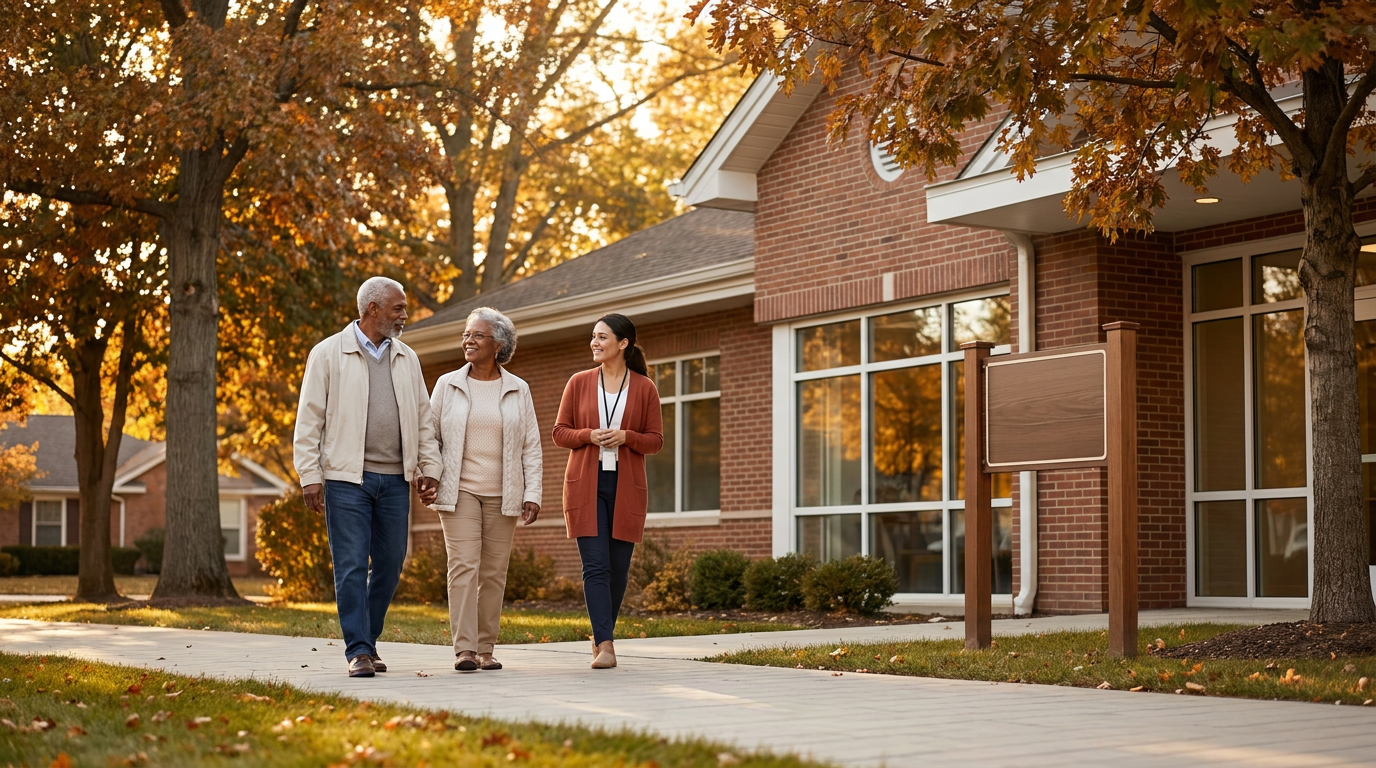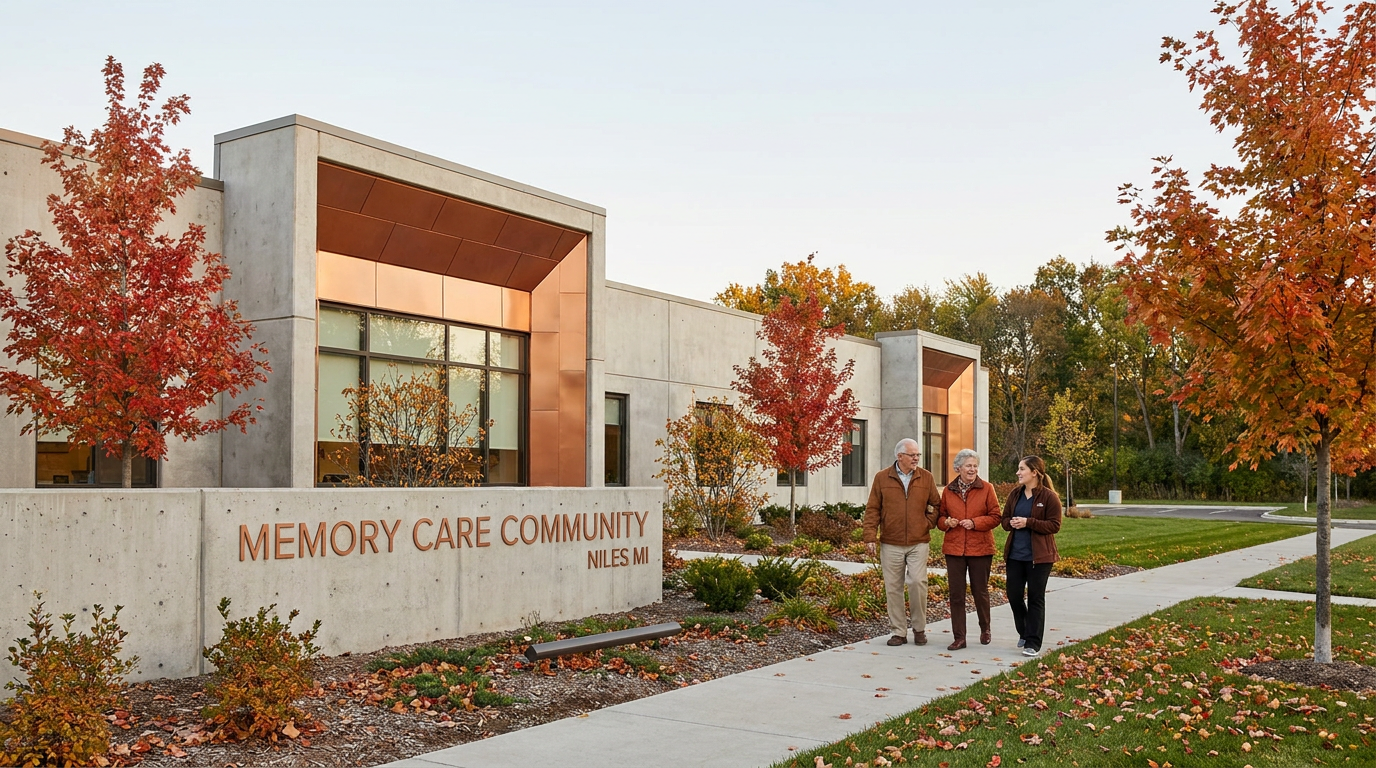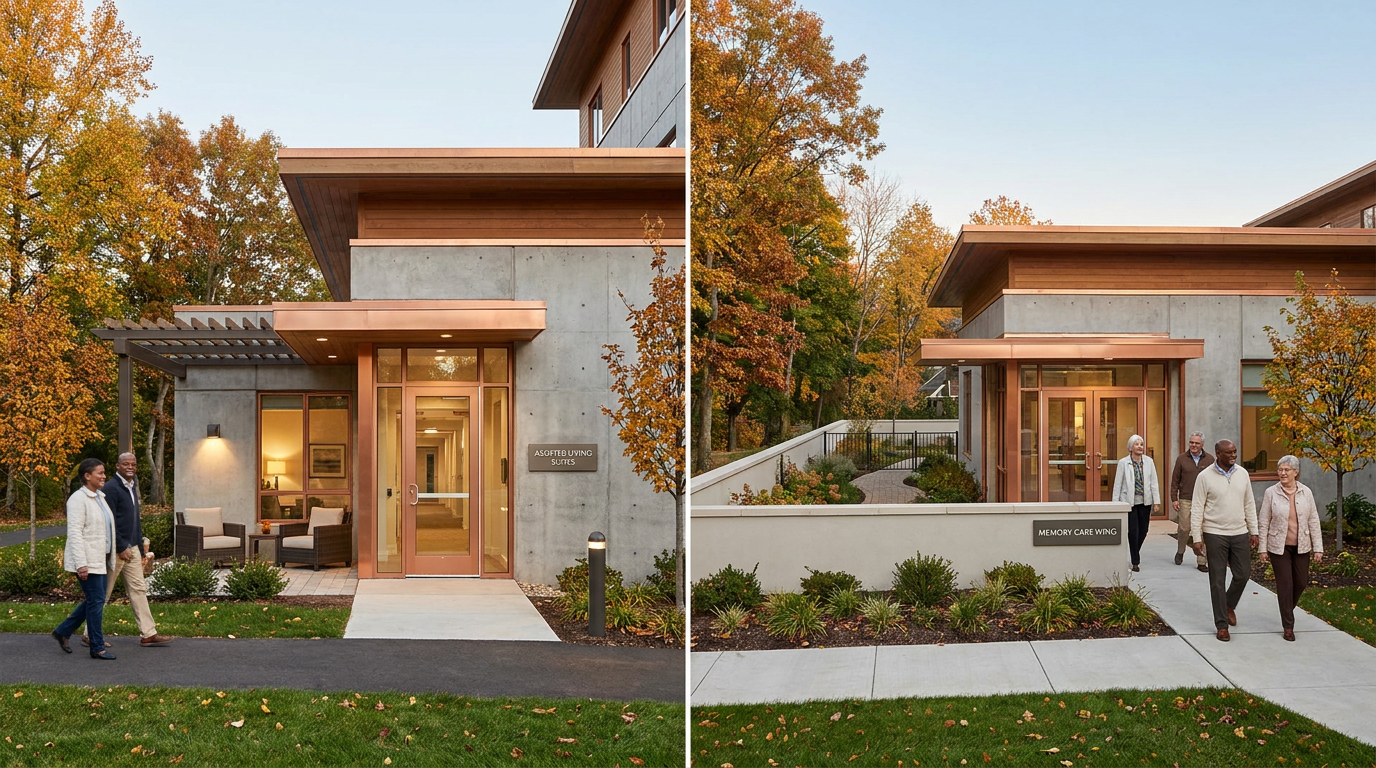
Do you feel certain that your parent is simply experiencing normal aging, or is there a persistent worry that their forgetfulness signals something deeper? This question often leads local households to research the nuances of professional support. Understanding the distinctions between different residential models ensures that your loved one receives the precise level of intervention they require for safety and happiness.
At Woodland Terrace at Longmeadow, our team recognizes that every individual possesses a unique health profile. We provide both specialized cognitive support and general wellness assistance to residents in Niles, MI. By exploring the structural and clinical differences between these options, you can make an informed decision for your family s future.
Distinguishing residential support models for Southwest Michigan residents
The primary difference between these two paths lies in the intensity and specialization of the environment. General wellness programs focus on maintaining independence while providing a safety net for daily tasks. In contrast, cognitive-focused environments are built from the ground up to mitigate the risks associated with dementia and Alzheimer s disease.
Environmental design and safety features
A standard residential suite in a wellness-focused community emphasizes comfort and accessibility. At Woodland Terrace at Longmeadow, our apartment options include features like walk-in showers and emergency call systems. These spaces allow residents to live autonomously while knowing help is seconds away if they need assistance with buttons, zippers, or medication management.
Conversely, a memory-focused neighborhood utilizes a high-security layout. This includes delayed-exit doors to prevent wandering, which is a common concern for those with cognitive impairment. The architecture often uses circular pathways to reduce frustration and sensory-friendly lighting to minimize the effects of sundowning. Every inch of our Niles, MI, facility is designed to promote a sense of calm and orientation.
Staffing ratios and specialized training
The expertise of the team members on-site is another critical differentiator. While both settings benefit from the oversight of licensed nurses, the caregiving team in a cognitive-focused wing undergoes intensive training in validation therapy and redirection techniques. They learn to interpret non-verbal cues from residents who may have lost the ability to communicate their needs effectively.
Our Personalized Care Plans at Woodland Terrace at Longmeadow reflect these needs. In a general setting, a staff member might check in a few times a day to help with Supervised Personal Care. In a memory-specific setting, the interaction is nearly constant. Team members engage residents in purposeful activities designed to spark long-term memories and maintain cognitive function for as long as possible.
Evaluating the specific services offered at Woodland Terrace at Longmeadow
Selecting the right path requires a clear understanding of the services available within our community. We serve the greater St. Joseph, MI, and Niles regions with a commitment to dignity and person-centered wellness. Our Care Level Assessments play a pivotal role in determining which program aligns with a resident s current health status.
Assisted living service highlights
For those who are cognitively sound but physically frail, our general support services offer the perfect balance of help and freedom. We assist with the "Activities of Daily Living," often abbreviated as ADLs. This includes help with bathing, dressing, and grooming. Residents also enjoy chef-prepared meals, scheduled transportation, and a robust social calendar that prevents the isolation often felt when living alone at home.
Memory care service highlights
When a diagnosis of Alzheimer s or another form of dementia is present, the focus shifts toward a failure-free environment. This means activities are adapted so that every resident can succeed, regardless of their cognitive stage. We provide specialized dining programs that account for changes in appetite or coordination, and we offer 24-hour supervision to ensure a secure atmosphere. Our team in Niles, MI, focuses on the "Habilitation Therapy" model, which emphasizes the resident s remaining strengths rather than focusing on what has been lost.
How to identify the right moment for a transition
Waiting for a crisis, such as a fall or a wandering incident, often limits your options and increases stress for the entire family. Taking a proactive approach allows for a smoother adjustment period for the resident. Our team at Woodland Terrace at Longmeadow recommends looking for subtle indicators that a higher level of intervention is necessary.
Signs that general support is sufficient
If your loved one is capable of making sound decisions but struggles with the physical demands of home maintenance, a general wellness community is likely the answer. You might notice they are skipping meals because cooking is too difficult or that their home has become cluttered. If they are still socially active and can follow a multi-step conversation, they will likely flourish in an environment that prioritizes social engagement and basic physical assistance.
Indicators that cognitive support is necessary
Cognitive support becomes essential when safety is compromised by memory loss. If a resident forgets to turn off the stove, gets lost in familiar places, or experiences significant personality changes, they require the specialized structure of a memory-focused program. Furthermore, if the primary caregiver (often a spouse or adult child) is experiencing burnout, it is a clear sign that professional intervention is needed to preserve the health of the entire family unit.
Comparing social opportunities and resident engagement
Socialization is the cornerstone of wellness at any age. However, the way residents interact with their peers differs depending on their cognitive health. At Woodland Terrace at Longmeadow, we curate experiences that meet residents exactly where they are.
Vibrant social life in general wellness settings
In our general residential programs, residents often lead the way in social planning. They might participate in book clubs, attend outings in the St. Joseph, MI, area, or enjoy live musical performances in our common rooms. The goal is to foster a "village" atmosphere where neighbors look out for one another and build lasting friendships based on shared interests and history.
Structured engagement in cognitive-focused programs
In our specialized memory neighborhoods, social interaction is facilitated by trained professionals. We use music, art, and sensory stimulation to reach residents. Small group activities are preferred over large, loud gatherings, as these can be overwhelming for someone with dementia. We focus on "reminiscence therapy," using old photographs or familiar scents to encourage engagement and provide a sense of comfort and belonging.
Common questions regarding professional support options
Is it possible to move from general assistance to cognitive care later?
Yes. Many residents start in our general wellness program and eventually transition to our specialized memory wing as their needs evolve. Because Woodland Terrace at Longmeadow offers both levels of support on one campus, this transition is often less traumatic for the resident, as they remain in a familiar building with familiar faces.
What is the cost difference between these two models?
Generally, memory-focused programs have a higher monthly fee than general assistance. This reflects the increased staffing ratios, the specialized training of the team, and the enhanced security features of the environment. During our initial assessment, we provide a transparent breakdown of costs based on the specific Care Level Assessment results.
Can couples with different needs stay together?
This depends on the specific health requirements of each individual. We strive to keep families as close as possible. In some cases, a couple may live in a general suite while one partner receives additional support services, or they may live in separate wings but spend their days together in common areas. We work closely with families to find the most compassionate solution.
Start a conversation with Woodland Terrace at Longmeadow
Choosing between different support models is a significant milestone for any family. You do not have to navigate this journey alone. Our team at Woodland Terrace at Longmeadow is here to provide the clarity and compassion you need to make the best choice for your loved one in Niles, MI, or St. Joseph, MI.
We invite you to visit our community to see firsthand how our Personalized Care Plans and Supervised Personal Care programs create a supportive, family-like environment. Whether you are looking for the independence of a senior apartment or the security of specialized cognitive support, we are dedicated to promoting the dignity of every resident we serve. Contact us today to schedule a tour and learn more about our commitment to excellence in senior wellness.